

Life in Dallas offers women a wealth of opportunities. Here, they can attend events, travel, pursue education, advance their careers, and do things that are impossible in smaller towns.
However, alongside these advantages come significant drawbacks. Learn more at dallaska.
The State of Dallas’s Environment
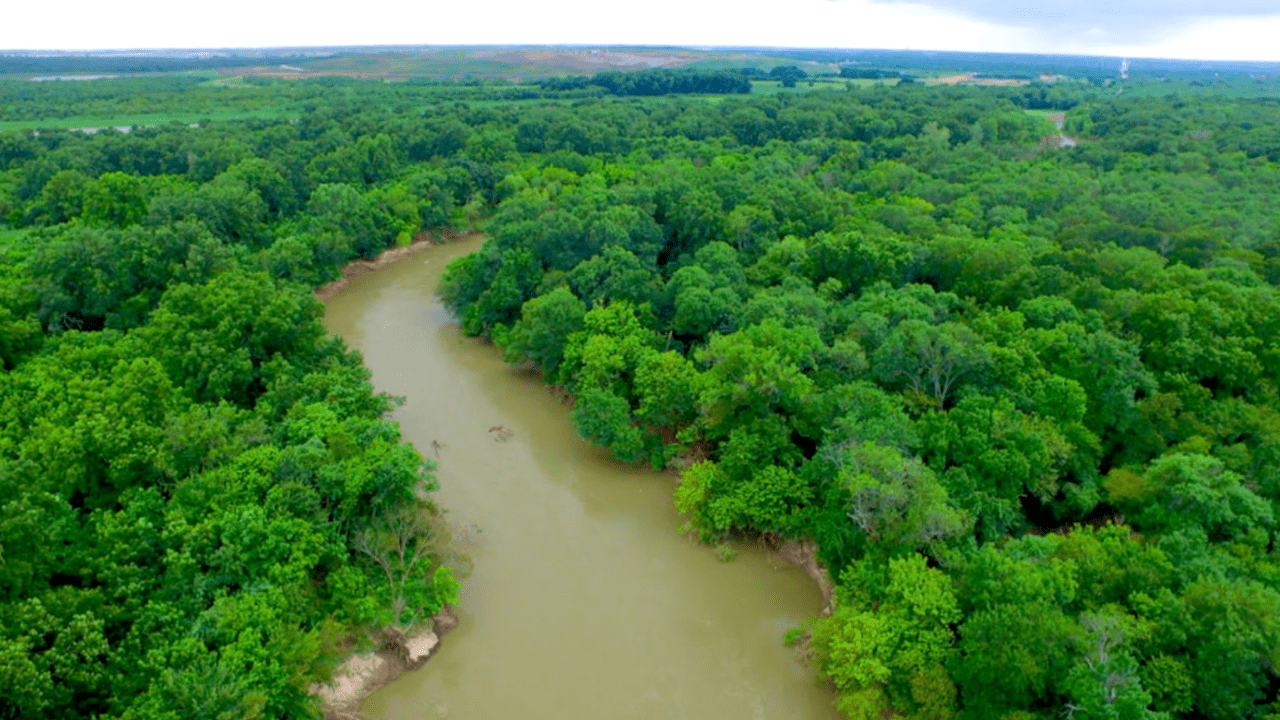
Almost every day, we witness in the news—or firsthand—how rapidly our planet is changing. Air, surface, and groundwater pollution, along with global warming, are causing irreversible damage to our surroundings.
According to an April 2023 report by the American Lung Association, Dallas ranks among the twenty‐five U.S. cities with the highest ground‐level ozone pollution. This finding underscores the urgent need to address the city’s environmental challenges.
Experts warn that even one day spent in Dallas can inflict irreversible harm on the human body, especially among vulnerable groups such as infants, pregnant women, seniors, and those with chronic illnesses. Yet, air, soil, and water pollution pose serious risks to all residents.
Unfortunately, most locals remain indifferent to the state of Dallas’s environment. Few consciously switch to alternative energy, sort their waste, or participate in environmental initiatives. These efforts are mainly driven by those who have already experienced the health impacts of pollution. Notably, many city projects focus on cleaning the Trinity River.
How the Environment Impacts Reproductive Health

A woman’s health depends on several factors: heredity, quality healthcare, lifestyle, and the environment. Scientific studies show that environmental conditions account for at least 20% of women’s health outcomes. In Dallas, the surrounding environment directly affects women’s reproductive health at every life stage.
Research has proven that environmental factors influence the timing of puberty and menopause. In younger girls, they determine when menarche begins; in adults, they affect the onset of menopause. Additionally, environmental conditions shape menstrual cycles and female fertility.
The Impact of Dallas’s Climate
Dallas’s hot, dry climate intensifies the health challenges women face. Extreme heat and air pollution make it harder to carry and deliver a healthy baby. Air contaminants are linked to a higher risk of neurological disorders in newborns, while intense heat can impair egg quality.
Local Organization: Women in the Environment

Recognizing the link between the environment and their future health, Dallas women founded the nonprofit Women in the Environment, led by local activist Linda Pawlik. The group hosts events to improve the city’s environmental conditions.
Members collaborate with environmental experts and similar initiatives to drive change in education, engineering, environmental law, water management, renewable energy, and sustainable development. Their primary goal is to spread awareness of the connection between ecology and women’s health.
Tips for Improving Reproductive Health

While individuals can’t solve global environmental issues alone, adopting simple, consistent habits can boost well-being and minimize environmental impact on reproductive health.
First, refine your diet. Avoid harmful products containing trans fats, sugar, and synthetic chemicals. Instead, choose locally grown greens, vegetables, and fruits from farms like Bonton Farms, the Giving Garden at Jacob’s Reward Farm, or McClure’s Produce and Fruit Farm.
Second, drink only purified water. Install a quality filtration system or buy water in specialized bottles. Dallas tap water may contain heavy metals, chlorine, and other pollutants that disrupt hormonal balance and menstrual cycles.
Third, stay active indoors. Due to daytime heat and evening smog, opt for activities like yoga, Pilates, or stretching classes designed exclusively for women.
Medical Support for Reproductive Health Issues

Reproductive health encompasses both physical and emotional well-being. If you notice symptoms like irregular cycles or difficulty conceiving, seek professional help promptly. Early intervention can significantly improve treatment outcomes.
In Dallas, several healthcare providers specialize in women’s reproductive health, including Texas Health Women’s Care, Dallas Birth Center, Woman to Woman Health Center, and Planned Parenthood.
- https://hsph.harvard.edu/news/how-our-environment-impacts-reproductive-health/#:~:text=Environmental%20exposures%20can%20influence%20our,at%20which%20women%20reach%20menopause.
- https://dallascityhall.com/departments/OEQ/green-dallas/Documents/2023%20Environmental%20Accomplishments%20FINAL.pdf
- https://www.nadallas.com/2024/04/29/489951/women-in-the-environment