

Staying healthy and looking beautiful means more than just caring about your appearance. Every modern woman knows that self-care begins with taking care of her health. Regular exercise and a balanced diet are the foundation of a woman’s natural beauty and consistent well-being. Read more at dallaska.
What a woman eats directly impacts the health and appearance of her hair, skin, nails, and more. To preserve youth and stay energized, every woman should heed expert advice.
The Importance of a Balanced Diet for Women’s Bodies
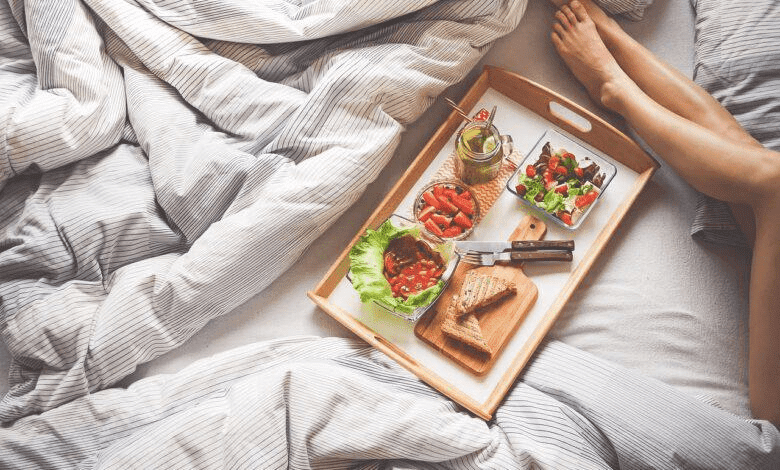
A healthy diet plays a critical role in a woman’s life. It helps maintain weight, boosts energy levels, and significantly lowers the risk of most chronic diseases. For example, a balanced diet can help prevent stroke, diabetes, heart attack, and many other ailments. Cardiovascular disease is the leading cause of death among women, and statistics show that strokes occur more often in women than in men. Poor eating habits can clog arteries and contribute to stroke, so following a targeted eating plan can reduce strain on the female body.
Healthy eating also supports women’s reproductive health, prevents bone loss, and reduces the risk of certain cancers.
Balanced nutrition is key for women facing various gynecological issues, including infertility. These conditions can disrupt the menstrual cycle, cause weight gain, and make conception difficult. A diet rich in low-glycemic foods and healthy fats helps alleviate symptoms and supports reproductive function.
Women’s nutritional needs differ significantly from men’s, especially during life stages like pregnancy and breastfeeding. During these times, a woman needs an increased intake of essential nutrients—not just for her own health but also for her baby’s development.
Advice from UT Southwestern Nutrition Experts

PhD and Associate Professors Lona Sandon and Susan Rodder from the Department of Nutrition at UT Southwestern Medical Center stress the importance of mindful dieting. To keep the body in top form, they recommend following specific eating plans—tailored to individual needs, since not every trendy diet is healthy.
Sandon highlights the Paleo diet and the ketogenic diet among popular approaches. The Paleo diet centers on foods available to prehistoric humans—lean proteins and vegetables—and encourages meat, seafood, fresh produce, eggs, nuts, seeds, and healthy oils. She praises this plan for its focus on lean meats and abundant fruits and vegetables.
She is less enthusiastic about keto. It relies on high-fat, low-carbohydrate foods and imposes strict limits that may harm overall health by making it difficult to get all necessary nutrients and macronutrients. While it may temporarily reduce hunger, its long-term effects are unknown. Sandon does not recommend keto because it restricts important foods like fruits, vegetables, and whole grains—key components for disease prevention. This regimen is not designed for the average healthy adult.
Another trend is the Whole30 diet, which eliminates dairy, grains, added sugars, legumes, and chemicals for a “reset.” Rodder is wary of such a strict approach. She agrees that reducing processed foods is smart, but she points out that beans, legumes, and whole grains offer many benefits.
Dallas Dietitian Jennifer Neyly on Healthy Eating

Jennifer Neyly, a clinical dietitian at Parkland Memorial Hospital in Dallas, offers her own perspective. She believes in a balanced approach over blindly following specific diets.
According to Neyly, healthy eating is not about quick fixes or severe restrictions. Diets often trap people in unrealistic ideals. She advises letting go of the pursuit of perfect nutrition and focusing on sustainable eating habits that include a variety of foods.
Neyly stresses the importance of a flexible, personalized plan and eating whole foods—fruits, vegetables, legumes, whole grains, and lean proteins. Truly healthy eating, she says, should be mindful and allow enjoyment without obsessing over short-term goals.
Cultivate Nutrition: Changing Eating Habits for Dallas Women

Cultivate Nutrition was founded by local resident Mary Stuart. She lives with her husband and two children on the outskirts of Dallas. Over 18 years, Stuart worked as a dietitian while earning her Bachelor’s degree in dietetics from Texas Christian University and certifications from the Institute for Integrative Nutrition and Nutritious Life.
After gaining experience and education, she launched Cultivate Nutrition to promote healthy habits on a larger scale. The organization focuses on women aged 25 to 45 and provides practical, effective tools for developing healthy eating routines. Services include one-on-one support, personalized meal plans, and the “Prime Your Body” program, helping clients break bad habits and form lasting behaviors that benefit women’s health.
Sources: